Electrical Fire Smell: What It Means and What to Do Right Away
A strange burning smell with no obvious source is unsettling, and it should be. An electrical fire smell is often the first and only warning that wiring, an outlet or an appliance is overheating behind the walls. Acting fast can stop a small electrical problem from becoming a house fire.
This guide explains what an electrical fire smell is like, what causes it, how to find the source and the steps to take right away to keep your family and home safe.
What Does an Electrical Fire Smell Like?
Electrical burning odors are different from wood smoke or burnt food. Homeowners usually describe them as:
- Burning plastic. The insulation around wires and the plastic housing of outlets and switches melt when they overheat.
- A fishy smell. Many electrical components are made with chemicals that give off a fish-like odor when they get too hot. This surprises a lot of people, but it is a common sign.
- A sharp, acrid or chemical smell that does not fade.
The smell may come and go, getting stronger when a certain light, appliance or circuit is in use.
Common Causes of an Electrical Burning Smell
Overloaded Outlets and Circuits
Plugging too many devices into one outlet or power strip can overheat the wiring. High-power appliances like space heaters, hair dryers and window air conditioners are common culprits.
Loose or Damaged Wiring
Loose connections create resistance and heat. Older homes, DIY wiring jobs and wiring chewed by rodents are all higher risk.
Faulty Outlets and Switches
Outlets that feel warm, look discolored or spark when you plug something in should be checked right away.
Wrong Bulb Wattage
Using a bulb with a higher wattage than a fixture is rated for can overheat the socket and the wires behind it.
Failing Appliances
Motors in fans, refrigerators, dryers and HVAC systems can overheat as they wear out. Damaged power cords are another common source.
Electrical Panel Problems
A breaker that is failing, an outdated panel or loose connections inside the panel can overheat and give off a burning smell.
What to Do Right Away
- Look for smoke or flames. If you see smoke, flames or sparks, get everyone out and call 911. Do not try to find the source first.
- Never use water. Water conducts electricity. Only use a Class C or multipurpose ABC fire extinguisher on an electrical fire, and only if it is small and you have a clear way out.
- Unplug the device if the smell is coming from a specific appliance and it is safe to touch.
- Shut off power. If you can safely reach the electrical panel, turn off the breaker for the affected area. If you are unsure which one, turn off the main breaker.
- Do not turn the power back on until a licensed electrician inspects the problem.
- Call 911 if you cannot find the source. Many fire departments will come out to check for hidden heat in walls with thermal imaging cameras.
How to Find the Source of the Smell
If there is no smoke and the smell is faint, carefully check these spots:
- Outlets and switch plates that feel warm or look scorched
- Power strips and extension cords, especially behind furniture
- Light fixtures and ceiling fans
- Large appliances and their cords
- The electrical panel, which may feel hot or buzz
- HVAC units and furnaces, especially the first time you run them for the season
A light dusty burning smell when you first turn on the heat is often normal and fades quickly. A smell that is strong, fishy or keeps coming back is not normal.
Warning Signs of Electrical Problems
Along with burning smells, watch for:
- Lights that flicker or dim when appliances turn on
- Breakers that trip again and again
- Buzzing or crackling from outlets or switches
- Discolored or warm outlet covers
- Small shocks when you touch appliances or switches
According to the U.S. Fire Administration, electrical problems are a common cause of home fires. Our guide to electric fire damage causes and prevention covers more warning signs.
How to Prevent Electrical Fires
- Do not overload outlets or chain power strips together.
- Plug space heaters directly into the wall, never into an extension cord.
- Replace damaged or frayed cords right away.
- Use bulbs with the correct wattage for each fixture.
- Have an electrician inspect older homes and any wiring done without a permit.
- Consider arc fault (AFCI) breakers, which help detect dangerous wiring faults.
- Keep working smoke alarms on every level of your home.
Damage After an Electrical Fire
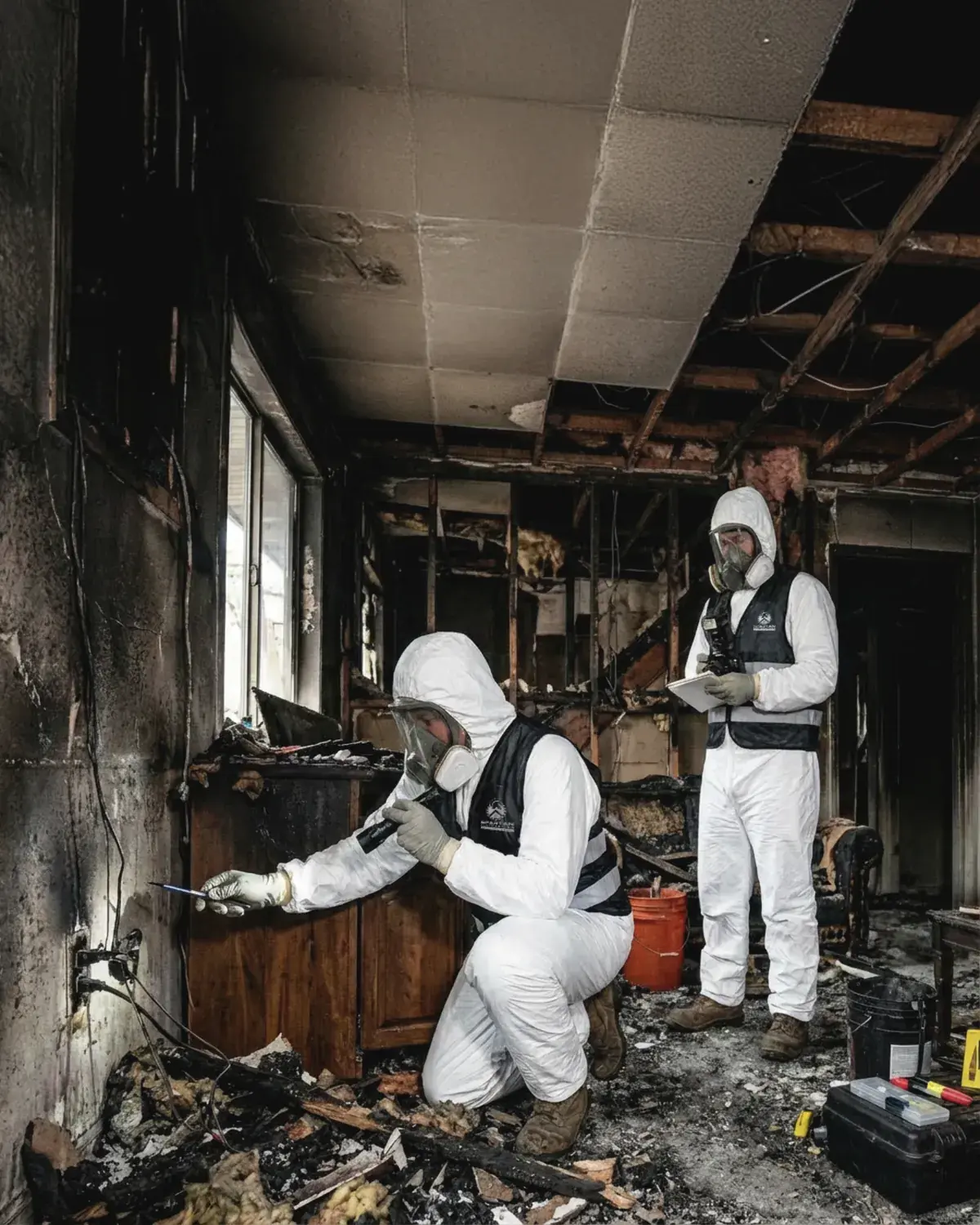
Electrical fires often start inside walls and ceilings, so the damage can be hidden. Even a small fire can leave melted wiring, scorched framing, soot in wall cavities and smoke odor throughout the home. Firefighting can add water damage on top of it. Learn more about fire hazards in the home and what to do if a fire happens.
How Spartan Restoration Can Help
Spartan Restoration helps Long Island homeowners recover from electrical fires and the smoke and water damage that follow. We board up and secure the property, remove soot and odor, dry out the structure and rebuild damaged walls and ceilings. Our fire damage restoration services are available 24 hours a day.
Conclusion
An electrical fire smell, whether it smells like burning plastic or fish, is a warning you should never ignore. Unplug the source if it is safe, shut off the breaker, never use water and call 911 if you see smoke or cannot find the cause. Then have a licensed electrician fix the problem before using that circuit again.
If an electrical fire has damaged your home, call Spartan Restoration at 631-250-1142 for a fast assessment.