


Most water damage does not start with a flood. It starts with a slow drip behind a wall, under a floor or above a ceiling, where nobody can see it. By the time a stain appears or the floor feels soft, the leak may have been running for weeks.
Water leak detection is the process of finding those leaks early, before they rot wood, ruin drywall and grow mold. This guide covers the warning signs, simple checks you can do yourself and how professionals find leaks without tearing your home apart.
Why Hidden Water Leaks Are So Damaging
A small leak may seem harmless, but water keeps moving. It soaks into drywall, insulation and subfloors, spreads along framing and pools in places that never dry on their own. According to the EPA WaterSense program, household leaks across the country waste nearly 1 trillion gallons of water every year, and the average home can lose thousands of gallons annually.
Beyond wasted water, hidden leaks can cause:
- Rotting wood framing and subfloors
- Sagging or stained ceilings and bubbling paint
- Mold growth inside walls, often within 24 to 48 hours of steady moisture
- Damaged flooring that warps, cups or lifts
- Higher water bills and, in some cases, foundation problems
Common Signs of a Hidden Water Leak
Your home usually gives clues before a leak becomes a disaster. Watch for these signs of hidden water damage:
Higher Water Bills
If your water bill jumps and your habits have not changed, water may be escaping somewhere in the system.
Musty Odors
A damp, earthy smell in one room or closet often means moisture is trapped behind a surface and mold may be starting to grow.
Stains, Bubbling Paint and Warped Floors
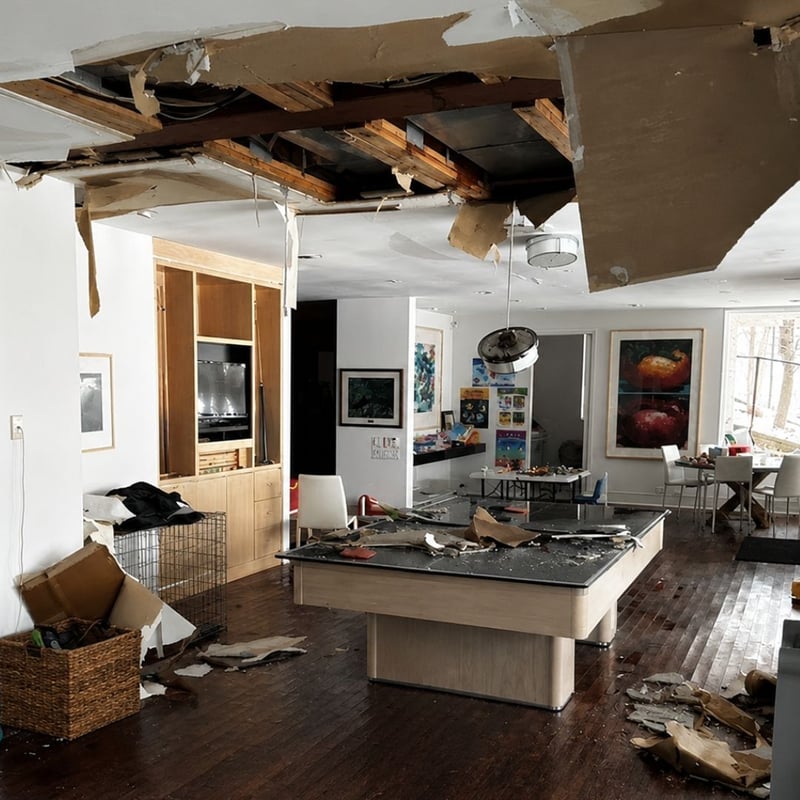
Yellow or brown spots on ceilings, peeling or bubbling paint and floorboards that cup or feel soft all point to water where it should not be. Stains under bathrooms or kitchens are a common sign of ceiling leaks from fixtures above.
Sounds of Running Water
If you hear dripping or rushing water when every faucet and appliance is off, a supply line or drain may be leaking inside a wall.
Low Water Pressure
A sudden drop in pressure can mean water is escaping before it reaches your faucets. Combined with other signs, it can also point to a burst pipe.
Simple Ways to Check for Leaks at Home
You can do a few basic checks before calling a professional:
Do the Water Meter Test
- Turn off every faucet, appliance and fixture that uses water.
- Write down the reading on your water meter, or take a photo of it.
- Wait one to two hours without using any water.
- Check the meter again. If the number changed, you likely have a leak.
Check Your Toilets
Add a few drops of food coloring to the toilet tank and wait 15 minutes without flushing. If color shows up in the bowl, the flapper is leaking.
Inspect Common Problem Areas
Look under sinks, behind toilets, around the water heater, near the washing machine and dishwasher and at the refrigerator water line. Check exposed pipes in basements and crawl spaces for drips, rust or white mineral buildup.
How Professional Water Leak Detection Works
When the leak is inside a wall, under a slab or above a ceiling, guessing where to cut can cause more damage than the leak itself. Professional water leak detection uses tools that find moisture without demolition.
Moisture Meters
Pin and pinless meters measure moisture inside drywall, wood and flooring. Readings across a room show where the water is coming from and how far it has spread.
Thermal Imaging Cameras
Wet materials are usually cooler than dry ones. Infrared cameras show those temperature differences, revealing wet areas behind walls and ceilings that look perfectly normal to the eye.
Acoustic Listening Devices
Water escaping from a pressurized pipe makes a distinct sound. Acoustic equipment amplifies it so technicians can pinpoint leaks under floors and concrete.
Moisture Mapping
After the source is found, technicians record readings on a floor plan to track every wet area. Moisture mapping guides the drying process and confirms when the structure is fully dry.
What to Do When You Find a Leak
Acting quickly limits the damage. If you find or suspect a leak:
- Shut off the water. Close the fixture valve or the main water valve to your home.
- Turn off electricity in affected areas if water is near outlets, fixtures or appliances.
- Move belongings out of the wet area and lift furniture off wet floors.
- Take photos of the leak and damage for your records.
- Call a plumber to repair the source, and a restoration company to dry and repair the damage.
Fixing the pipe stops new water, but it does not dry what is already wet. Moisture left inside walls and floors keeps causing damage and can lead to mold that requires mold remediation.
How to Prevent Hidden Water Leaks
- Replace rubber washing machine and dishwasher hoses with braided steel lines every five years.
- Insulate pipes in garages, basements and exterior walls to prevent freezing in winter.
- Recaulk tubs, showers and sinks when seals crack or pull away.
- Have your water heater inspected yearly and watch for rust or pooling at the base.
- Install smart water leak sensors near water heaters, sinks and appliances for early alerts.
- Know where your main water shut-off valve is, and make sure everyone in your home knows too.
Why Professional Help Matters
A professional restoration team does more than find the leak. They measure how far the water traveled, remove materials that cannot be saved, set up drying equipment and verify the structure is dry before repairs start. That prevents mold, rot and repeat damage that often follows a quick DIY patch.
How Spartan Restoration Can Help
Spartan Restoration helps Long Island homeowners and businesses find hidden moisture and repair the damage leaks leave behind. From burst pipe repair to complete water damage restoration services, our team uses moisture meters, thermal imaging and professional drying equipment to restore your property the right way. We are available 24 hours a day.
Conclusion
Hidden leaks do the most damage when they go unnoticed. Watching for warning signs, checking your water meter and acting quickly when you find a problem can save you from major repairs. When a leak has already soaked into walls, floors or ceilings, professional detection and drying make sure the damage is fully handled.
If you suspect a hidden leak, call Spartan Restoration at 631-250-1142 for a fast inspection.