

Slab Leak: Signs, Causes and How to Handle the Water Damage
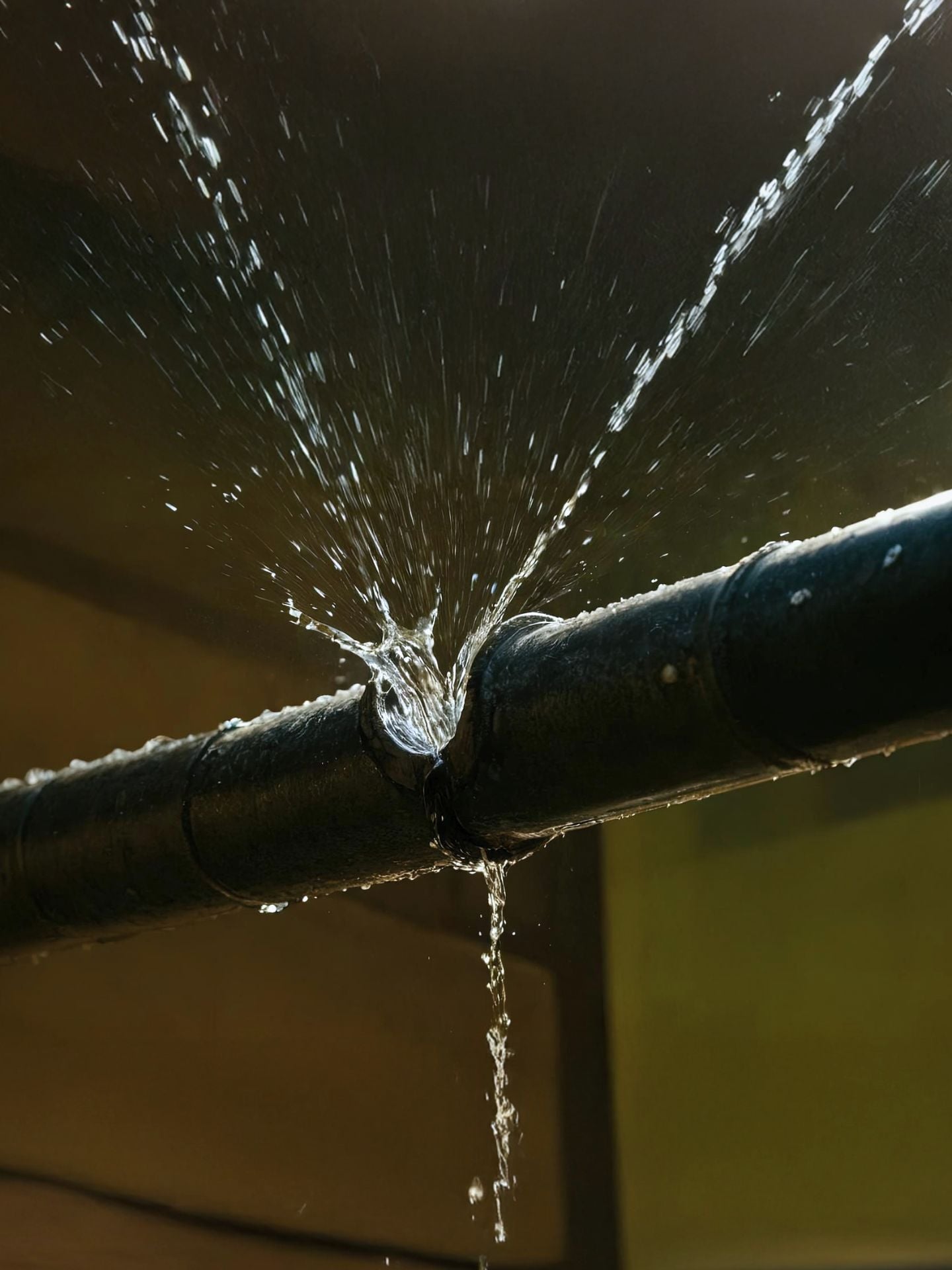
Most leaks announce themselves with a drip or a puddle. A slab leak does not. The pipe is buried in or under the concrete floor, so water can escape for weeks before anyone notices. By the time the signs appear, flooring, walls and even the foundation may already be affected.
This guide explains what a slab leak is, the signs to watch for, what causes them and what to do about the water damage they leave behind.
What Is a Slab Leak?
A slab leak is a leak in a water or drain line that runs beneath or inside a concrete slab foundation. Many homes, additions, garages and finished basements have plumbing lines set in concrete. When one of those lines fails, the water has nowhere to go but into the slab, the soil below and the flooring above.
Slab leaks can happen on the hot water line, the cold water line or a drain line. Each shows slightly different signs.
Warning Signs of a Slab Leak
Watch for these signs, especially if you notice more than one:
- A water bill that jumps without any change in how you use water.
- The sound of running water when every faucet and appliance is off.
- Warm or hot spots on the floor, which point to a leak on the hot water line.
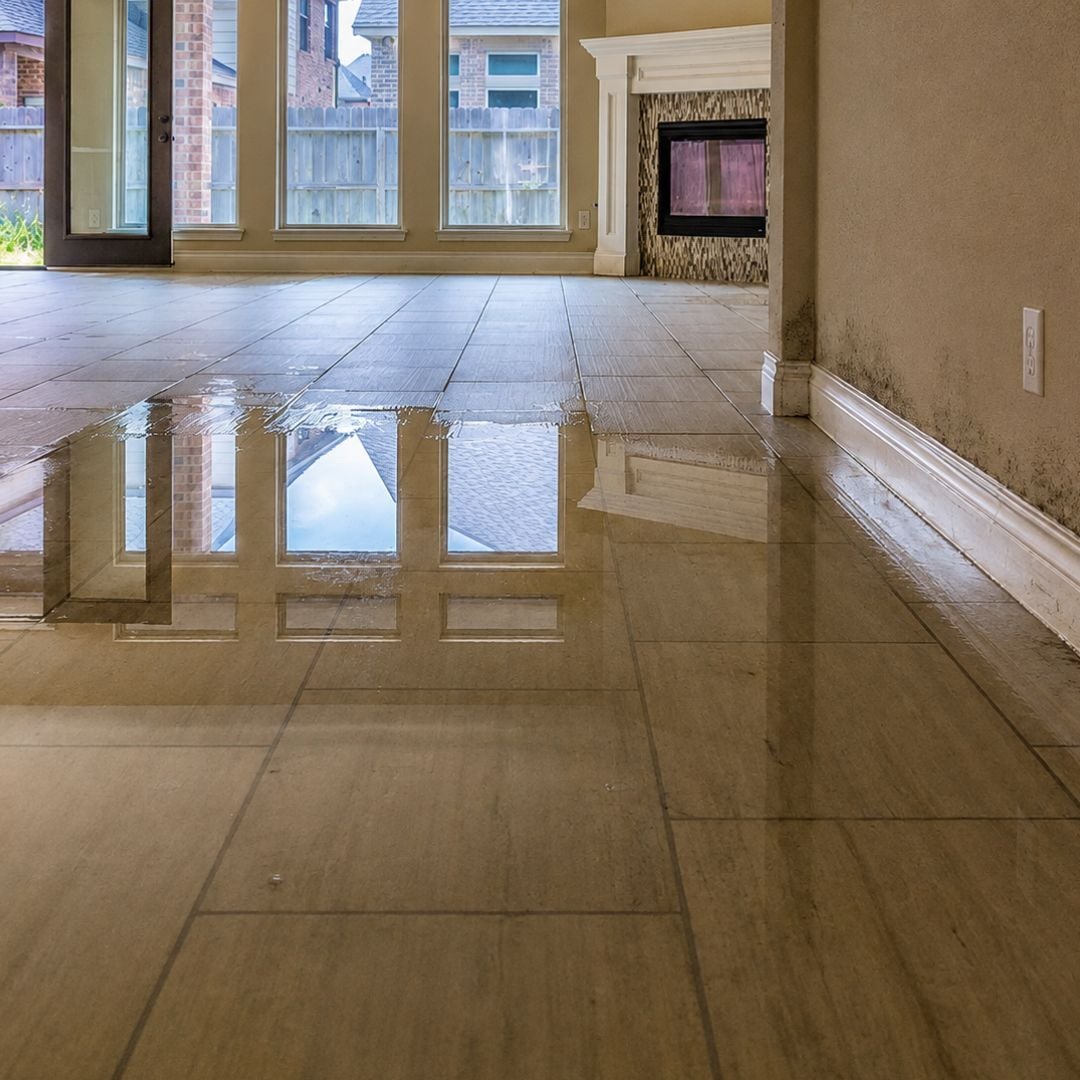
- Damp carpet, warped wood or loose tiles with no obvious source.
- Mildew smells or mold along baseboards.
- New cracks in floors or walls.
- A water heater that seems to run constantly.
- Low water pressure throughout the house.
How to Check Your Water Meter
Turn off every faucet, appliance and irrigation system. Write down the reading on your water meter, wait an hour without using any water and check again. If the reading moved, water is escaping somewhere. Many meters also have a small leak indicator dial that spins when water is flowing.
What Causes Slab Leaks
- Corrosion. Older copper and galvanized pipes can corrode over time, especially with aggressive water chemistry.
- Abrasion. Pipes that rub against concrete, gravel or other pipes wear thin as they expand and contract with temperature changes.
- Soil movement. Shifting or settling soil puts stress on pipes and joints under the slab.
- Poor installation. Kinked, dented or badly joined pipes fail sooner.
- High water pressure. Pressure above normal levels strains every joint in the system.
How Slab Leaks Are Found and Fixed
A plumber uses tools such as acoustic listening devices, pressure tests and thermal imaging to locate the leak without breaking up the whole floor. Once it is found, there are a few common repair options:
Fixing the pipe is only half the job. The water that already escaped still has to be dealt with.
The Water Damage a Slab Leak Leaves Behind
Because slab leaks run for a long time before they are found, the water usually spreads well beyond the leak itself.
Flooring
Carpet pad stays wet and grows mold. Hardwood cups and buckles. Laminate swells at the seams. Tile can come loose as the adhesive fails.
Walls
Water wicks up the bottom of drywall and soaks baseboards and insulation. Our post on how to spot hidden water damage covers what to look for inside walls.
Mold
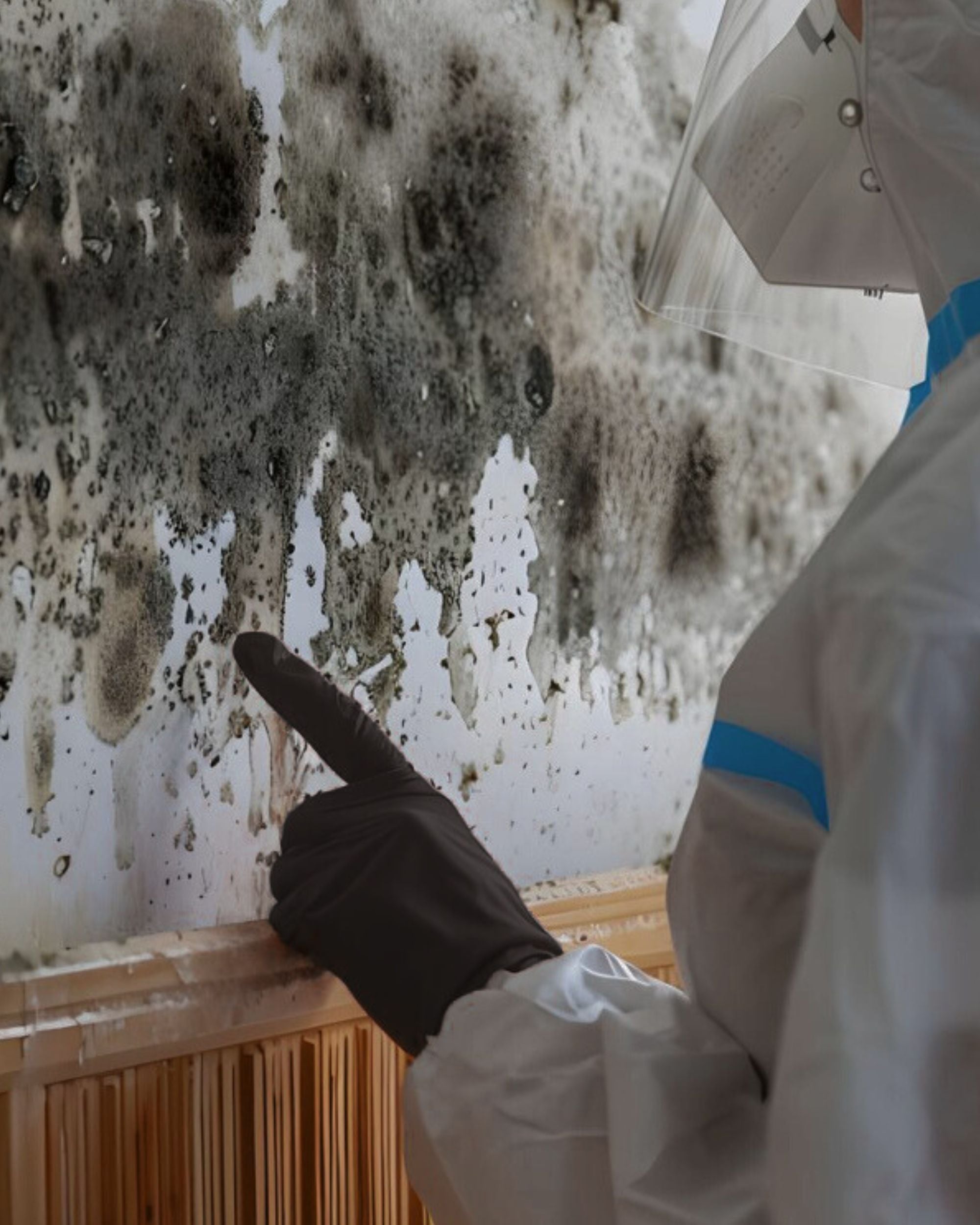
A slow, hidden leak creates exactly the damp, dark conditions mold needs. If you notice a musty smell, read about mold after water damage.
The Slab and Soil
Over a long period, leaking water can wash out soil under the slab and contribute to settling and cracks. This is one more reason not to wait.
Drying Out After a Slab Leak
Concrete holds a lot of water and dries slowly. Professional drying usually includes:
- Moisture mapping with meters and thermal cameras to find every wet area.
- Removing wet carpet pad, baseboards and any flooring that cannot be dried in place.
- Cutting out the lower part of wet drywall when needed so wall cavities can dry.
- Setting up dehumidifiers and air movers, and sometimes specialty mats for flooring.
- Checking moisture daily until the slab and framing reach normal readings.
Our guide to moisture detection and moisture mapping explains how hidden water is tracked down.
What to Do If You Suspect a Slab Leak
- Shut off the main water valve if you see active water or hear running water.
- Turn off the water heater if you suspect the hot water line.
- Call a licensed plumber to locate and repair the leak.
- Pull back wet rugs and move belongings off damp floors.
- Take photos of the damage and keep records of your water bills.
- Call a restoration company to dry the structure once the leak is stopped.
Frequently Asked Questions
Is a slab leak an emergency?
An active slab leak should be treated as urgent. Water keeps escaping as long as the line is pressurized, and the damage grows every day.
How long does it take to dry out after a slab leak?
It depends on how long the leak ran and what flooring is involved. Drying often takes several days, and concrete that has been wet for a long time can take longer.
Can I keep living in the house during a slab leak repair?
Usually, yes, though you may be without water for part of the repair and some rooms may be closed off while drying equipment runs.
Get Help After a Slab Leak
Once the plumber stops the leak, the water left behind needs to come out fast. Spartan Restoration finds hidden moisture, removes damaged materials and dries floors and walls across Long Island. Call 631-250-1142 for help.
- Our water damage restoration services handle extraction, drying and repairs.
- If you see signs of mold, see our mold remediation services.
- South Shore homeowners can learn more about water damage restoration in Massapequa.
Spartan Restoration takes calls 24 hours a day.