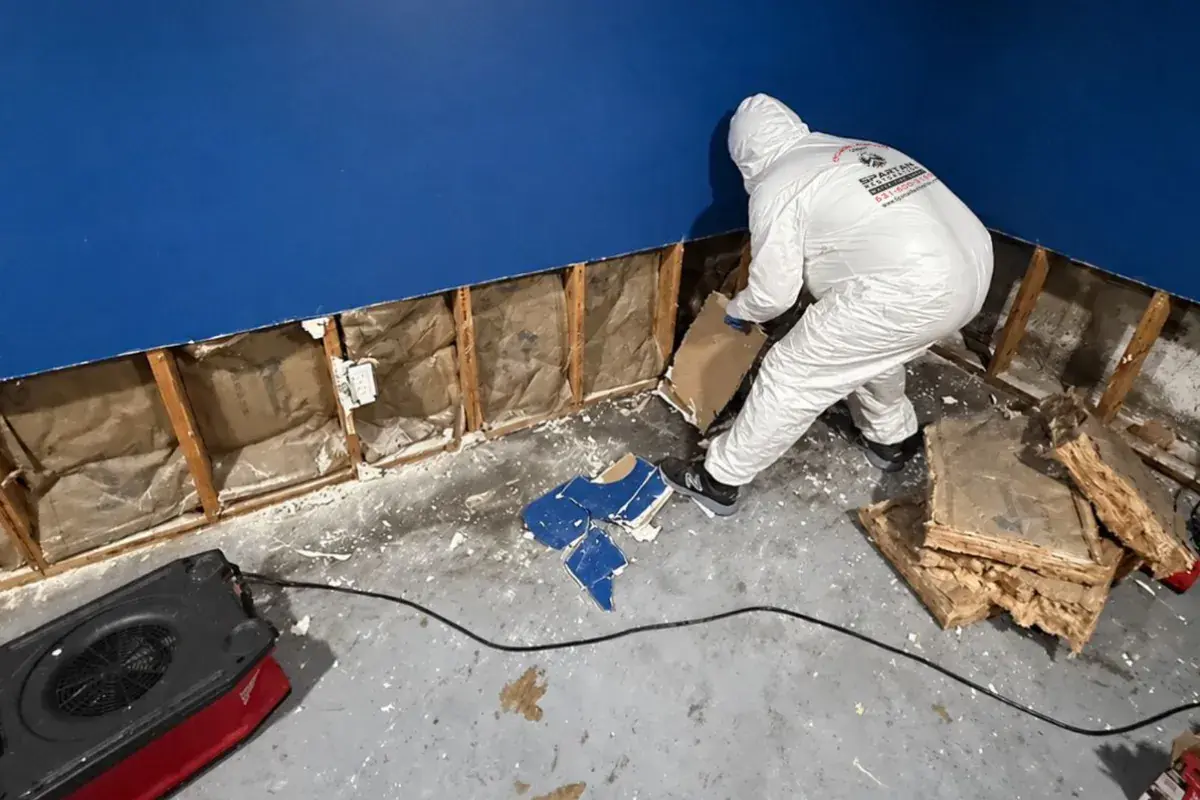


If your home has a basement, groundwater is always trying to get in. Heavy rain, melting snow and a high water table push water toward your foundation, and once it finds a way inside, it can flood your basement in hours.
A sump pump is one of the most important tools for keeping that water out. So, what is a sump pump, and how does it protect your home? This guide explains how sump pumps work, the different types, warning signs of failure and how to keep yours ready for the next storm.
What Is a Sump Pump?
A sump pump is a small pump installed in the lowest part of a basement or crawl space. It sits inside a pit, called a sump basin, that collects water draining from the soil around your foundation. When the water in the pit rises to a certain level, the pump turns on and pushes the water out and away from your home.
Sump pumps are common in homes with basements, homes in low-lying areas and properties near the coast or with high groundwater, which describes many neighborhoods on Long Island.
How Does a Sump Pump Work?
A sump pump system has a few main parts that work together:
- Sump basin. A pit dug into the basement floor where groundwater collects through drain tile or gravel.
- Pump. An electric pump that sits in or above the basin.
- Float switch. A sensor that rises with the water and turns the pump on when the level gets too high.
- Discharge pipe. Carries water from the pump out of the house.
- Check valve. Stops pumped water from flowing back into the pit.
When water rises, the float switch triggers the pump. The pump pushes water up through the discharge pipe and releases it outside, ideally at least 10 to 20 feet from the foundation so it does not drain right back in. When the water level drops, the pump shuts off and waits for the next cycle.
Types of Sump Pumps
Submersible Sump Pumps
These pumps sit inside the sump basin, underwater. They are quieter, take up less space and usually move more water, which makes them the most common choice for finished basements.
Pedestal Sump Pumps
The motor sits on a column above the pit, with only the intake below water. Pedestal pumps are easier to service and often last longer, but they are louder and more visible.
Battery Backup Sump Pumps
Storms that bring heavy rain often knock out power too, right when you need the pump most. A battery backup pump takes over automatically during an outage or if the main pump fails.
Water-Powered Backup Pumps
These use your home's water pressure instead of electricity to remove water. They need no batteries, but they only work in homes with municipal water service.
Signs Your Sump Pump Is Failing
Sump pump failure is one of the most common causes of basement flooding. Watch for these warning signs:
- Strange grinding, rattling or humming noises
- The pump runs constantly, even when it is not raining
- The pump turns on and off very quickly, called short cycling
- Visible rust, corrosion or a stuck float switch
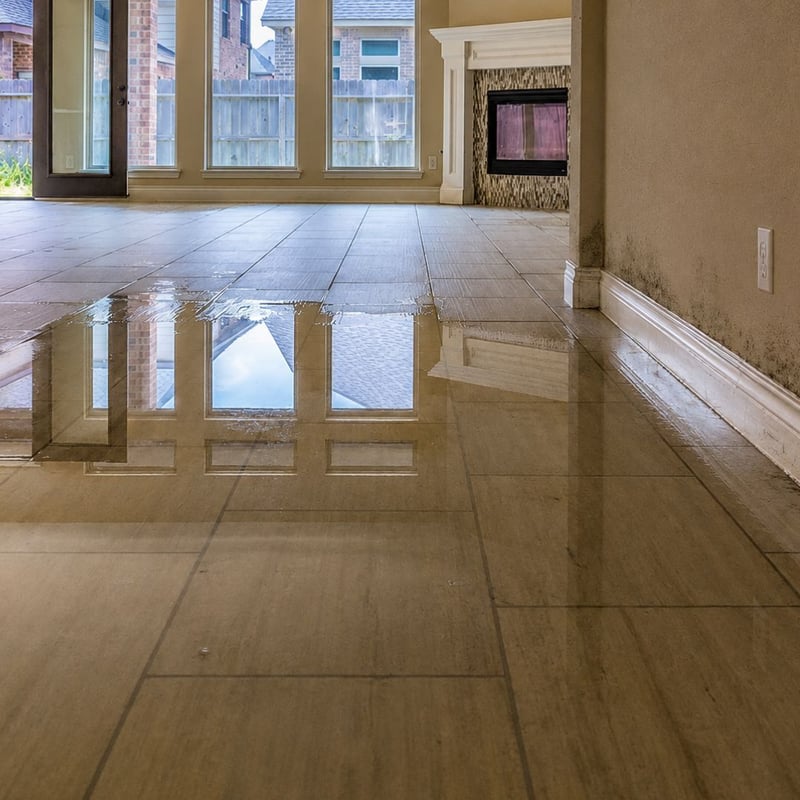
- Water pooling around the basin or on the basement floor
- The pump is more than 7 to 10 years old
Common Causes of Sump Pump Failure
- Power outages during storms when there is no backup system.
- A stuck or tangled float switch that never tells the pump to turn on.
- Undersized pumps that cannot keep up with heavy water flow.
- Clogged intake or discharge lines from dirt, debris or frozen pipes in winter.
- Improper installation, such as a missing check valve.
- Age. Most pumps wear out within about 10 years.
How to Maintain Your Sump Pump
A few minutes of maintenance a few times a year can prevent a flooded basement:
- Test it every few months. Slowly pour a bucket of water into the pit and make sure the pump turns on and drains it.
- Clean the basin and intake screen to remove dirt, gravel and debris.
- Check the discharge line outside to make sure it is clear and draining away from the house.
- Make sure the pump is plugged in and on a working GFCI outlet.
- Test the backup battery and replace it every few years.
- Schedule a professional inspection before spring rains and winter thaws.
What to Do If Your Sump Pump Fails and Your Basement Floods
If water is already coming in, safety comes first:
- Stay out of standing water if outlets, cords or appliances could be underwater. Turn off power at the breaker only if you can reach it safely.
- Check the pump. Make sure it has power and the float switch is not stuck.
- Move valuables to higher ground.
- Document the damage with photos and video.
- Call for professional help. Fast water extraction and drying limit damage to floors, walls and belongings.
Our guide to flooded basement cleanup explains the next steps in detail. If your home has a crawl space instead of a basement, see our tips on crawl space flooding.
Other Ways to Protect Your Basement From Flooding
A sump pump works best as part of a complete plan. Ready.gov's flood preparation guide recommends planning ahead for heavy storms. Around your home, you can also:
- Keep gutters and downspouts clean and extend downspouts away from the foundation.
- Grade soil so it slopes away from the house.
- Seal cracks in foundation walls and floors.
- Install a backwater valve to prevent sewer backups.
- Use a dehumidifier to keep basement humidity under control.
How Spartan Restoration Can Help
When a sump pump fails, water damage can spread fast. Spartan Restoration provides 24/7 emergency response across Long Island to extract water, dry the structure and prevent mold. Our water damage restoration services handle everything from pumping out standing water to repairing damaged walls and floors.
Conclusion
A sump pump is a simple but powerful defense against basement flooding. It collects groundwater in a pit and pumps it away from your home before it can cause damage. Choosing the right pump, adding a backup and testing it regularly can save you from costly repairs.
If your sump pump has failed and your basement is wet, call Spartan Restoration at 631-250-1142 for fast help.