

Lithium-Ion Battery Fires at Home: E-Bikes, Scooters and Prevention
Lithium-ion batteries power almost everything in a modern home, from phones and laptops to power tools, e-bikes and electric scooters. They are safe most of the time. But when one fails, it can burn hotter and faster than a typical household fire and fill a room with toxic smoke in seconds.
This guide explains what causes a lithium ion battery fire, the warning signs to watch for, what to do if a battery catches fire and how to lower the risk in your home.
Why Lithium-Ion Batteries Catch Fire
Lithium-ion batteries store a lot of energy in a small space. When a battery cell is damaged or overheats, it can go into thermal runaway. That is a chain reaction where one overheating cell heats the next, releasing flammable gases, intense heat and sometimes small explosions. Once it starts, it is very hard to stop.
Common causes include:
- Physical damage. Dropping a device or crashing an e-bike can crack battery cells inside.
- Overcharging. Leaving a battery plugged in long after it is full, especially with a cheap or faulty charger.
- Wrong chargers. Using a charger that was not made for that battery or device.
- Poor quality batteries. Uncertified or aftermarket batteries may lack proper safety protections.
- Heat exposure. Storing batteries in hot cars, near heaters or in direct sunlight.
- Modifications. Rebuilding or modifying e-bike batteries without proper training.
E-Bikes and Scooters: The Biggest Risk at Home
Phones and laptops have small batteries. E-bikes and e-scooters have much larger battery packs, and they are often charged indoors near doors and hallways. The U.S. Consumer Product Safety Commission has tracked a large number of fires, injuries and deaths linked to micromobility devices like e-bikes, e-scooters and hoverboards.
These fires are especially dangerous because the device is often stored near an exit. If it catches fire, it can block the only way out of an apartment or home.
Warning Signs of a Failing Battery
Stop using and charging a device right away if you notice:
- Swelling, bulging or a battery case that looks puffy
- Unusual heat while charging or in use
- A strange smell, often sweet or chemical
- Hissing, popping or crackling sounds
- Leaking fluid or smoke
- The device will not hold a charge or shuts off suddenly
Move a swollen battery away from anything flammable if you can do so safely, and contact the manufacturer or a local battery recycling center for proper disposal.
What to Do If a Lithium-Ion Battery Catches Fire
- Get out. Leave the room, close the door behind you and get everyone out of the home.
- Call 911. Tell the dispatcher a lithium-ion battery is involved.
- Do not try to fight a large battery fire. E-bike and scooter batteries can reignite even after the flames seem to be out.
- Stay out of the smoke. Battery fires release toxic gases. Do not go back inside until firefighters say it is safe.
For a small device like a phone that starts smoking, and only if it is safe, unplug it and move it away from anything that can burn, ideally outside onto a non-flammable surface. If there are flames, leave and call 911.
How to Prevent Lithium-Ion Battery Fires
- Buy certified products. Look for e-bikes and scooters certified to recognized safety standards, such as UL 2849 for e-bike electrical systems and UL 2272 for scooters and hoverboards.
- Use the original charger. Only use the charger that came with the device or one approved by the manufacturer.
- Do not charge overnight or unattended. Unplug devices once they are fully charged.
- Charge on hard surfaces. Avoid charging on beds, couches or near curtains.
- Keep exits clear. Never store or charge e-bikes and scooters in hallways or near doorways.
- Store batteries at room temperature. Keep them away from heaters, sunlight and freezing garages.
- Inspect after a fall or crash. Have damaged batteries checked or replaced.
- Recycle old batteries properly. Never throw lithium-ion batteries in the trash. The EPA's battery recycling guide explains how to dispose of them safely.
- Keep working smoke alarms in rooms where you charge devices.
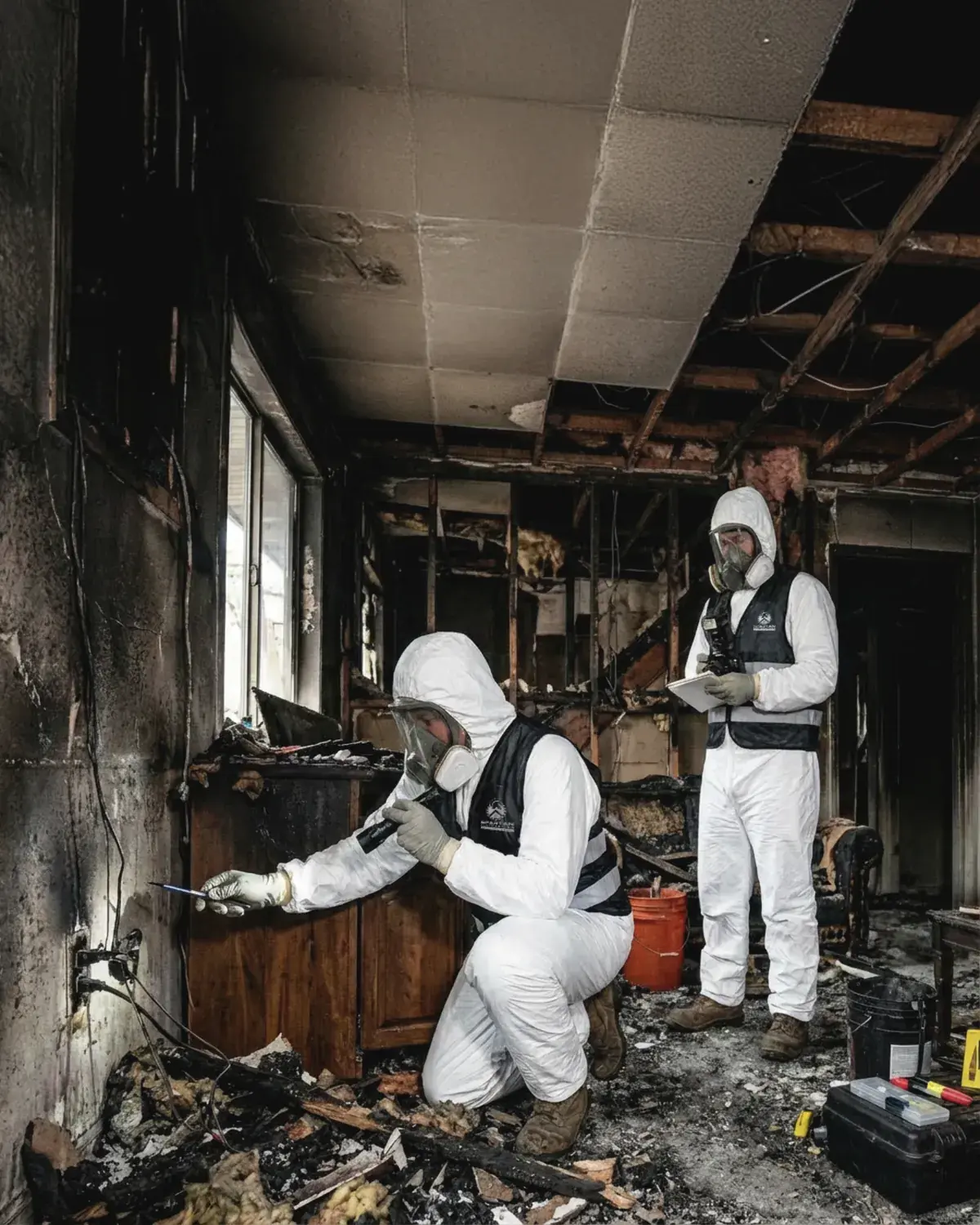
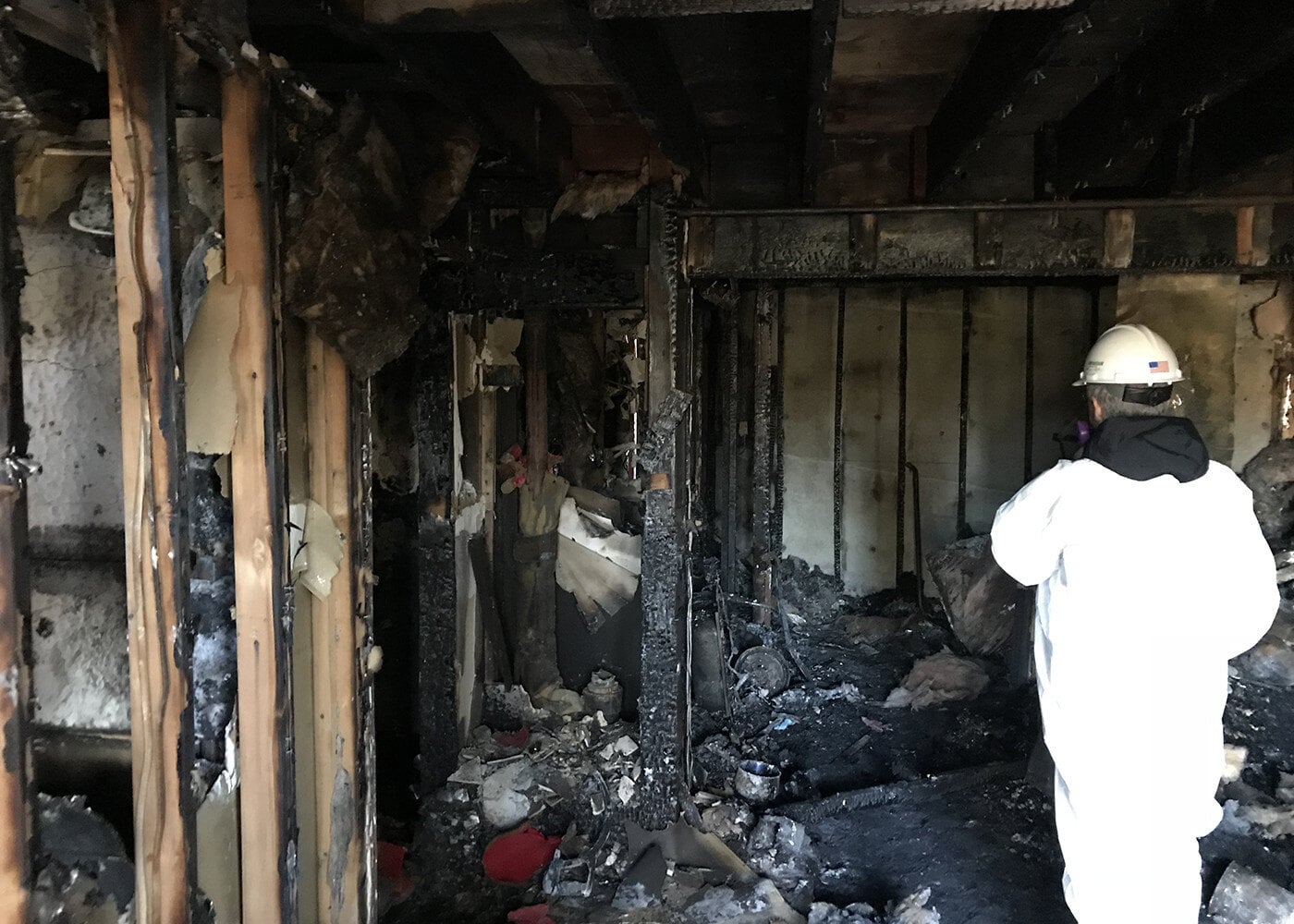
Damage Left Behind by a Battery Fire
Lithium-ion battery fires often leave a different kind of mess than a typical fire. The intense heat and chemical smoke can cause:
- Thick, oily soot on walls, ceilings and belongings
- Toxic residue that should not be cleaned without protection
- Strong chemical odors that soak into drywall, carpet and furniture
- Heat damage to floors, outlets and nearby structures
- Water damage from firefighting efforts
Because the residue can be hazardous, cleanup is usually best left to trained professionals. Learn more about what soot is and its health risks and what is left after a fire.
How Spartan Restoration Can Help
Spartan Restoration helps Long Island homeowners and businesses recover from battery fires and other fire damage. We secure the property, remove soot and chemical residue, eliminate odors, dry out water from firefighting and rebuild damaged areas. Our fire damage restoration services and emergency board up services are available 24 hours a day.
Conclusion
Lithium-ion batteries are part of everyday life, but they need care. Buy certified products, use the right charger, never charge unattended and keep e-bikes and scooters away from exits. If a battery overheats, swells or smokes, stop using it right away. If it catches fire, get out and call 911.
If a lithium-ion battery fire damaged your home or business, call Spartan Restoration at 631-250-1142 for a fast assessment.